
Study in Croatia

Explore universities and programs in Croatia for international students.

Find programs that match your goals quickly and easily using our advanced search filters

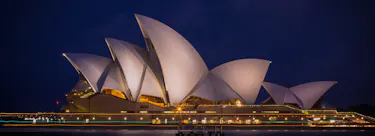
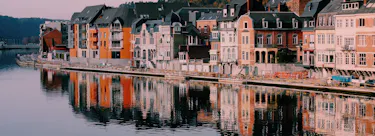
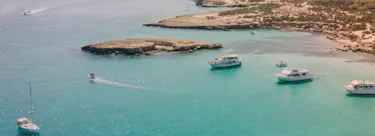
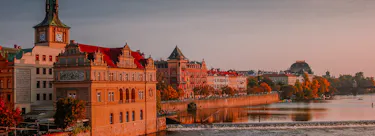
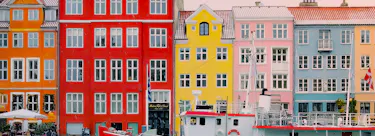
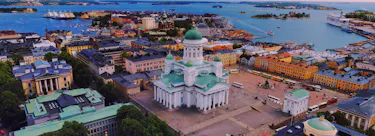
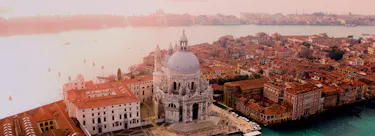
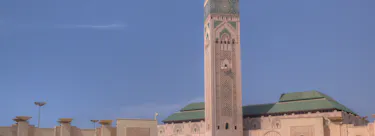
A famous cityscape or landscape of Croatia featuring iconic elements of Croatia's natural beauty or architectural landmarks.

Key facts

  • Currency
    Croatian Kuna (HRK)

  • Student population
    190,000
  • Languages
    Croatian
  • Universities
    9

Why study in Croatia?

Croatia offers affordable higher education with relatively low tuition fees compared to many EU countries. It has a growing number of degree programs taught in English, making it accessible for international students who do not speak Croatian. The country's higher education system is integrated into the European Higher Education Area, which supports recognition of qualifications across Europe. However, programs taught fully in English are still limited in subject variety, so students should check program languages before applying.

Illustration of famous landmarks and cultural items from Croatia, interconnected on a map-like layout with trees and clouds.

Where can you study in Croatia

The main study hubs are Zagreb, Split, and Rijeka, where most public universities and the widest range of programs are located. Zagreb, as the capital, hosts the largest number of universities and faculties, offering more study options. Other regions have fewer universities and mostly branch campuses or specialized schools, which can limit choices in subject fields and degree levels.

Universities in Croatia

What is the cost of study in Croatia?

Tuition fees at public universities are relatively low, often between EUR 1,000 and EUR 3,000 per academic year for international students in English-taught programs. Private institutions may charge higher fees. Living expenses vary by city, with Zagreb being more expensive than smaller towns. Accommodation cost depends on whether students rent privately or use university dormitories, with dorm fees generally cheaper but limited in availability.

Illustration representing studying costs, featuring symbols like a calculator, stacks of money, and hands exchanging cash, all surrounded by a building resembling a university, books and a diploma scroll.

What is the cost of living in Croatia?

Category Cost  (in Croatian Kuna)
Rent, 1-bed apartment in city centrekn 757Range: kn 550 to kn 1,100
Rent, 1-bed apartment outside centrekn 604Range: kn 450 to kn 800
Utilities (electricity, heating, water, refuse)kn 237Range: kn 150 to kn 350
Internet (60 Mbps unlimited)kn 25Range: kn 20 to kn 35
Mobile phone plan (data + calls)kn 19Range: kn 12 to kn 30
Monthly public transport passkn 47Range: kn 40 to kn 53
Monthly grocery basketkn 114Range: kn 69 to kn 178
Coffee shop drinkkn 2Range: kn 1 to kn 4
Cinema or cultural event ticketkn 7Range: kn 6 to kn 8
Gym membershipkn 42Range: kn 30 to kn 60

Indicative monthly costs per person.

Data sourced from numbeo.com (Crowdsourced).

What are the requirements to study in Croatia?

Qualifications

Secondary school diplomas must be recognized or validated for Croatian higher education, often through attestation or a certificate of recognition. International students should prepare original documents and official translations to meet these administrative steps, which are necessary for enrollment.

English language tests

English language tests are required only for programs taught in English. However, because many Croatian public universities primarily offer programs in Croatian, English tests are not universally required. Commonly accepted tests include IELTS and TOEFL, but students should check specific program requirements since acceptance and score thresholds differ.

Croatia student visa

Most international students from outside the EU need to obtain a temporary residence permit for studying in Croatia. This application usually requires proof of enrollment, sufficient funds, health insurance, and accommodation arrangements. Processing times and exact document requirements may vary depending on the consulate. Because the process can vary, students should check the latest guidance from their university and the relevant consulate or immigration authority before applying.

Illustration representing travel planning and visa approval process, featuring a globe, an airplane, a calendar, documents including passport and ID card, and a stamped approval document.

How to study in Croatia?

Find out how to study abroad with Studee. We help students, schools, and university partners compare options, understand requirements, and plan next steps together.