
Study in Bolivia (Plurinational State of)

Explore universities and programs in Bolivia (Plurinational State of) for international students.

Find programs that match your goals quickly and easily using our advanced search filters

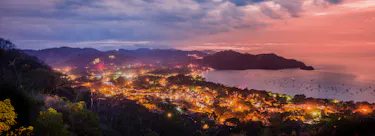
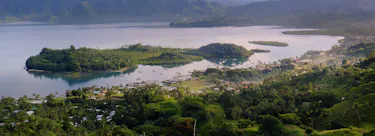
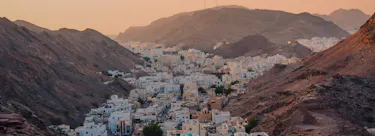
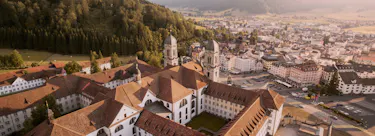
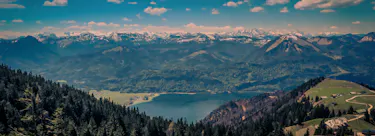
A famous cityscape or landscape of Bolivia (Plurinational State of) featuring iconic elements of Bolivia (Plurinational State of)'s natural beauty or architectural landmarks.

Key facts

  • Currency
    Bolivian Boliviano (BOB)
  • Student population
    360,000
  • Languages
    Spanish, Quechua, Aymara
  • Universities
    90

Why study in Bolivia (Plurinational State of)?

Bolivia offers international students the chance to study in a country with a diverse cultural and ecological landscape, including access to studies related to its unique geography and indigenous cultures. Students interested in development issues, natural resources, or regional social dynamics may find Bolivia's context particularly relevant to their studies. However, programs often use Spanish as the language of instruction, which can affect access and learning experience for students less proficient in the language.

Illustration of famous landmarks and cultural items from Bolivia (Plurinational State of), interconnected on a map-like layout with trees and clouds.

Where can you study in Bolivia (Plurinational State of)

Most universities and higher education institutions are concentrated in the main cities such as La Paz, Santa Cruz, and Cochabamba. La Paz, as the administrative capital, hosts the widest range of public and private teaching options and research centers. Smaller cities offer more limited choices, so students seeking a broad selection should consider studying in these larger urban areas.

Universities in Bolivia (Plurinational State of)

What is the cost of study in Bolivia (Plurinational State of)?

Public universities in Bolivia typically charge low or no tuition fees for domestic and international students, reflecting national education policies. Private institutions may charge tuition fees which vary widely but can be a significant cost difference. Living costs depend largely on the city; La Paz and Santa Cruz are more expensive than smaller towns. Budgeting should consider expenses such as housing, food, transportation, and materials, varying by location and lifestyle.

Illustration representing studying costs, featuring symbols like a calculator, stacks of money, and hands exchanging cash, all surrounded by a building resembling a university, books and a diploma scroll.

What is the cost of living in Bolivia (Plurinational State of)?

Category Cost  (in Bolivian Boliviano)
Rent, 1-bed apartment in city centreBs 2,433Range: Bs 1,500 to Bs 5,000
Rent, 1-bed apartment outside centreBs 1,750Range: Bs 1,200 to Bs 3,000
Utilities (electricity, heating, water, refuse)Bs 299Range: Bs 131 to Bs 696
Internet (60 Mbps unlimited)Bs 234Range: Bs 150 to Bs 390
Mobile phone plan (data + calls)Bs 179Range: Bs 100 to Bs 250
Monthly public transport passBs 171Range: Bs 100 to Bs 215
Monthly grocery basketBs 551Range: Bs 315 to Bs 920
Coffee shop drinkBs 18Range: Bs 10 to Bs 25
Cinema or cultural event ticketBs 45Range: Bs 30 to Bs 70
Gym membershipBs 225Range: Bs 100 to Bs 300

Indicative monthly costs per person.

Data sourced from numbeo.com (Crowdsourced).

What are the requirements to study in Bolivia (Plurinational State of)?

Qualifications

Bolivian universities usually expect applicants to present validated secondary school certificates or university degrees from their home country. In some cases, official equivalency or validation by the Ministry of Education or relevant authorities in Bolivia is required before enrolment.

English language tests

Because Spanish is the predominant language of instruction, English language tests are generally not required unless the program is specifically offered in English. Students should check individual requirements if applying to bilingual or English-taught programs, which are less common.

Bolivia (Plurinational State of) student visa

International students planning to study in Bolivia generally require a student visa based on their acceptance into a recognized educational institution. The visa process involves submitting educational documents and proof of financial means, among other requirements specific to consulates or immigration authorities. Because the process can vary, students should check the latest guidance from their university and the relevant consulate or immigration authority before applying.

Illustration representing travel planning and visa approval process, featuring a globe, an airplane, a calendar, documents including passport and ID card, and a stamped approval document.

How to study in Bolivia (Plurinational State of)?

Find out how to study abroad with Studee. We help students, schools, and university partners compare options, understand requirements, and plan next steps together.