

Portugal is known for maritime sciences and oceanography, reflecting its Atlantic coast and historical ties to seafaring. The country also has recognized programs in literature and language studies linked to its rich literary tradition. Additionally, tourism and hospitality management are notable subjects due to the country's developed tourism sector.
Key facts
- CurrencyEuro €

- Student population360,000
- LanguagesPortuguese
- Universities80
Why study in Portugal?
Portugal offers a study environment where the historical and cultural context influences academic life, particularly benefiting those interested in Europe-focused humanities and arts. Its universities often provide access to specialized maritime research reflecting Portugal's Atlantic history. Students choosing Portugal should consider that instruction is primarily in Portuguese, which affects program availability in English and daily life interactions.

Where can you study in Portugal
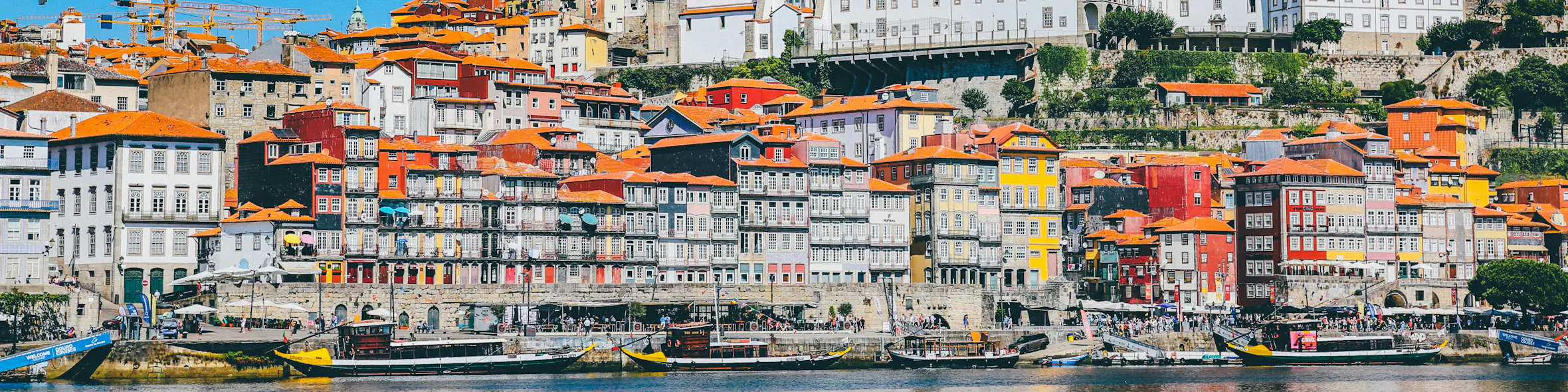
Study options are mostly concentrated in cities like Lisbon, Porto, and Coimbra. Lisbon offers the widest choice of programs and institutions, including both public and private universities. Other cities, such as Faro or Braga, have fewer institutions and programs, mainly focusing on regional academic and vocational studies. Students seeking varied subject options and international environments typically prefer Lisbon or Porto.
What are the best programs in Portugal?
Explore programs in Portugal
Simply tell us what you're looking for and we'll show you programs that are right for you.
Quickly compare programs with Studee
- Find ideal programs in seconds
- Explore exciting alternatives that match your goals
- Filter your results to discover perfect courses faster
What is the cost of study in Portugal?
Tuition fees in public universities for international students can range approximately from €1,000 to €1,500 per academic year, particularly for undergraduate and some master's degrees. Private institutions often charge higher fees. Living costs vary by city; Lisbon is generally more expensive than other cities like Coimbra or Braga. Accommodation and lifestyle choices significantly affect overall expenses.

What is the cost of living in Portugal?
| Category | Cost (in Euro) |
|---|---|
| Rent, 1-bed apartment in city centre | €920 |
| Rent, 1-bed apartment outside centre | €725 |
| Utilities (electricity, heating, water, refuse) | €119 |
| Internet (60 Mbps unlimited) | €36 |
| Mobile phone plan (data + calls) | €18 |
| Monthly public transport pass | €40 |
| Monthly grocery basket | €104 |
| Coffee shop drink | €2 |
| Cinema or cultural event ticket | €8 |
| Gym membership | €38 |
Indicative monthly costs per person.
Data sourced from numbeo.com (Crowdsourced).
What are the requirements to study in Portugal?
Qualifications
Applicants usually need qualifications recognized as equivalent to the Portuguese education system. Foreign secondary diplomas may need validation or recognition through the Portuguese Ministry of Education or its designated authorities before admission.
English language tests
Since Portuguese is the primary language of instruction, English language tests are mainly required for programs delivered wholly in English. Such programs exist but are less common, so English proficiency proof is necessary only in those cases.
Portugal student visa
Non-EU students must apply for a residence visa for study purposes before entering Portugal. The process includes proof of enrollment, financial means, and health insurance. Processing times can vary, and students should plan accordingly. Because the process can vary, students should check the latest guidance from their university and the relevant consulate or immigration authority before applying.

How to study in Portugal?
Find out how to study abroad with Studee. We help students, schools, and university partners compare options, understand requirements, and plan next steps together.