Find your perfect forensic psychology programs abroad
Find forensic psychology programs you love that match your needs and aspirations, where you stand a high chance of acceptance.
Forensic Psychology degrees abroad
Forensic psychology is a fascinating area of study that uses psychological principles and processes to understand criminal behavior.
As a forensic psychology student, you’ll analyze a range of psychological theories, research methods and techniques, and apply them to criminal justice scenarios. As well as explaining the psychological motives and consequences of crime, you’ll explore how psychological interventions could help to reduce reoffending.
At its core, forensic psychology is concerned with how human thoughts and actions are shaped by our environments. Studying abroad will give you an invaluable glimpse into how different cultural and societal norms influence the behaviors of individuals around the world. These experiences will help you to become a more competent and adaptable psychologist.
Forensic Psychology program structure
You can study a BSc in forensic psychology over a minimum of three years. These programs will provide you with a robust understanding of psychological models and their relevance to the legal system. Most bachelor’s degrees will also include an additional 12-month industry placement in a criminal justice setting, so undergraduate degrees lasting four years are common.
Undergraduate degrees work a little differently in the US because most universities follow the American liberal arts model. Students complete four-year programs, spending the first two years working on their general education, before majoring in forensic psychology for the final half of their course.
Once you’ve completed your bachelor’s, you can choose to pursue a master’s degree in forensic psychology. These programs are designed to extend your specialist knowledge and can be studied over one or two years.
After finishing your master’s, you can enroll in either a PhD or a doctor of psychology (PsyD) program. Both courses normally take between five and six years of study, with a PhD being more research-based, while a PsyD focuses on preparing you for the clinical treatment of patients.
Your schedule will mainly consist of lectures, seminars, tutorials, workshops, and practical laboratories. Assessment methods vary from module to module, but you can expect to encounter exams, essays, research projects, presentations, and debates.
Every forensic psychology program will cover slightly different content, depending on the specialties of lecturers and the elective modules available. However, most courses will address these key topics:
- Introduction to forensic psychology
- Forensic psychology in context
- Biological and cognitive psychology
- Psychology of criminals
- Sociology of crime and deviance
- Criminal assessment
- Clinical research methods
- Mental health policy

Best countries to study forensic psychology

Best universities to study forensic psychology



















Forensic Psychology study abroad programs
What are the top forensic psychology undergraduate programs abroad?

Aberystwyth UniversityPsychology with Forensic Psychology - BSc
- 3 years
- Full-time
- On campus
- Degree type
- Bachelor's
- Subject area
- Forensic Psychology
- Location
- Aberystwyth, UK
- Next available start date
- September 2027
- Annual tuition fee
- 20,400GBP

Arizona State University (in partnership with Kaplan International)Psychology: Forensic Psychology - BA
- 4 years
- Full-time
- On campus
- Degree type
- Bachelor's
- Subject area
- Forensic Psychology
- Location
- Phoenix, Arizona, USA
- Next available start date
- January 2027 +2 more
- Annual tuition fee
- 32,760USD

Bangor UniversityPsychology With Forensic Psychology - BSc (Hons)
- 3 years
- Part-time
- On campus
- Degree type
- Bachelor's
- Subject area
- Forensic Psychology
- Location
- Bangor, UK
- Next available start date
- September 2027
- Annual tuition fee
- 20,000GBP

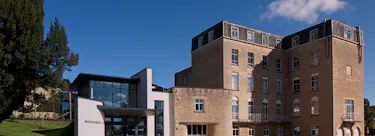
Bath Spa UniversityForensic Psychology - BSc (Hons)
- 3 years
- Full-time
- On campus
- Degree type
- Bachelor's
- Subject area
- Forensic Psychology
- Location
- Bath, UK
- Next available start date
- September 2027
- Annual tuition fee
- 18,585GBP

Embry-Riddle Aeronautical UniversityForensic Psychology (Prescott Campus) - BSc
- 4 years
- Full-time
- On campus
- Degree type
- Bachelor's
- Subject area
- Forensic Psychology
- Location
- Daytona Beach, Florida, USA
- Next available start date
- January 2027 +2 more
- Annual tuition fee
- 47,844USD
See all undergraduate degrees in forensic psychology abroad
What are the top forensic psychology postgraduate programs abroad?

Cardiff Metropolitan UniversityForensic Psychology - MSc
- 1 year
- Full-time
- On campus
- Degree type
- Master's
- Subject area
- Forensic Psychology
- Location
- Cardiff, UK
- Next available start date
- September 2027
- Annual tuition fee
- 17,600GBP

Monroe UniversityForensic Psychology - MSc
- 2 years
- Full-time
- Blended learning
- Degree type
- Master's
- Subject area
- Forensic Psychology
- Location
- New York City, New York, USA
- Next available start date
- January 2027 +3 more
- Annual tuition fee
- 18,852USD

Ontario Tech UniversityForensic Psychology - MSc
- 2 years
- Full-time
- On campus
- Degree type
- Master's
- Subject area
- Forensic Psychology
- Location
- Oshawa, Ontario, Canada
- Next available start date
- September 2027
- Annual tuition fee
- 20,124CAD

Teesside UniversityForensic Psychology - MSc
- 1 year
- Full-time
- On campus
- Degree type
- Master's
- Subject area
- Forensic Psychology
- Location
- Middlesbrough, UK
- Next available start date
- September 2027
- Annual tuition fee
- 17,000GBP

University of LancashireApplied Forensic Psychology - MSc
- 1 year
- Full-time
- On campus
- Degree type
- Master's
- Subject area
- Forensic Psychology
- Location
- Preston, UK
- Next available start date
- January 2027 +2 more
- Annual tuition fee
- 19,250GBP
See all postgraduate degrees in forensic psychology abroad
Future forensic psychology careers
As a forensic psychology graduate, you’ll be able to apply your knowledge and skills across a variety of fields, including the police force, probation service, social welfare, education, and private practice.
Here are some of the interesting careers secured by previous forensic psychology graduates:
- Experimental forensic psychologist
- Clinical psychologist
- Educational psychologist
- Neuropsychologist
- Counselor
- Attorney
- Lawyer
- Police detective/inspector
To stand the best chance of securing employment or a place on a postgraduate program, it’s important to gather as much relevant work experience as possible. Being able to demonstrate your passion and commitment to the field will make you a stand-out candidate.