Find your perfect community studies programs abroad
Find community studies programs you love that match your needs and aspirations, where you stand a high chance of acceptance.
Community Studies degrees abroad
Community studies degrees examine the interactions of people in today’s societies, as well as the social policies, systems, and challenges they encounter.
Drawing on theories and concepts from sociology, anthropology, and history will help you to understand the behaviors of people in community settings. You’ll critically analyze contemporary social issues, like healthcare, crime, and education, and evaluate the policies and laws that intend to uphold community welfare.
Studying abroad is an eye-opening experience that’ll expose you to new communities and ways of life. You’ll develop the personal and professional skills needed to engage with people from diverse cultures and backgrounds, taking your employability to the next level.
Community Studies program structure
Community studies programs are usually offered as bachelor’s degrees over three or four years. However, there are several part-time learning options available for those who need to fit their studies around work or family commitments.
Many universities also encourage students to complete a placement between their second and final year of study. Placements are an unbeatable opportunity to apply what you’ve learned and connect with experts in the field.
If you opt to study in the US, you’ll likely select community studies as your major. You’ll take two years of liberal arts classes before focusing on major-specific courses for the final half of your program.
Postgraduate qualifications in community studies are available for those hungry to learn more. A master’s degree can be studied over one or to years, followed by a PhD which normally takes between four and six years to finish.
Your timetable will mainly consist of lectures, seminars, tutorials, and workshops. Some universities might also arrange field trips to community facilities and groups, as well as guest presentations from industry professionals.
The exact content of your program will depend on where you choose to study and the elective modules you select. However, most institutions deliver core units in these topics:
- Theories of community and social groups
- Social policy and welfare provision
- Contemporary issues in the community
- Social divisions and groups
- Promoting healthy communities
- Protecting vulnerable groups and communities
- Managing inequality

Types of community studies degrees
Best countries to study community studies



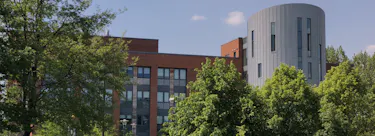
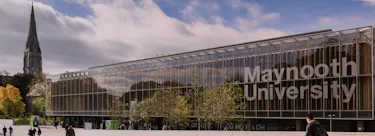
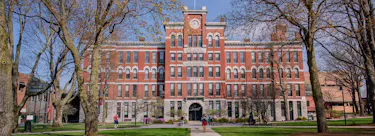
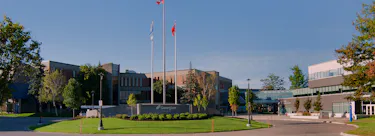
Best universities to study community studies





Community Studies study abroad programs
What are the top community studies undergraduate programs abroad?

Cape Breton UniversityCommunity Studies (3 year) - BA
- 3 years
- Full-time
- On campus
- Degree type
- Bachelor's
- Subject area
- Community Studies
- Location
- Sydney, Nova Scotia, Canada
- Next available start date
- January 2027 +5 more
- Annual tuition fee
- 22,708CAD

Centennial CollegeCommunity and Child Studies Foundations - OCCert
- 1 year
- Full-time
- On campus
- Degree type
- Undergraduate certificate
- Subject area
- Community Studies
- Location
- Toronto, Ontario, Canada
- Next available start date
- January 2027 +2 more
- Annual tuition fee
- 18,315CAD

Clark UniversityCommunity, Youth and Education Studies - BA
- 4 years
- Full-time
- On campus
- Degree type
- Bachelor's
- Subject area
- Youth Studies , Education , Community Studies
- Location
- Worcester, Massachusetts, USA
- Next available start date
- September 2027
- Annual tuition fee
- 62,070USD

Concordia UniversityCommunity, Public Affairs and Policy Studies (BA) - BA
- 3 years
- Full-time
- On campus
- Degree type
- Bachelor's
- Subject area
- Public Administration , Public Policy , Community Studies
- Location
- Montreal, Quebec, Canada
- Next available start date
- January 2027 +2 more
- Annual tuition fee
- 36,570CAD

DePaul UniversityCriminology: Community Justice - BA
- 4 years
- Full-time
- On campus
- Degree type
- Bachelor's
- Subject area
- Criminology , Community Studies
- Location
- Chicago, Illinois, USA
- Next available start date
- November 2026 +7 more
- Annual tuition fee
- 45,195USD
See all undergraduate degrees in community studies abroad
What are the top community studies postgraduate programs abroad?
DePaul UniversityPsychology: Community - MA
- 2 years
- Full-time
- On campus
- Degree type
- Master's
- Subject area
- Community Studies , Psychology
- Location
- Chicago, Illinois, USA
- Next available start date
- January 2027 +3 more
- Annual tuition fee
- 18,720USD

Maynooth UniversityCommunity and Youth Work - MSocSc
- 1 year
- Full-time
- On campus
- Degree type
- Master's
- Subject area
- Youth Studies , Community Studies
- Location
- Maynooth, Ireland
- Next available start date
- September 2027
- Annual tuition fee
- 16,000EUR

Towson UniversityHealth Science: Administration & Community - MSc
- 2 years
- Full-time
- On campus
- Degree type
- Master's
- Subject area
- Healthcare , Community Studies , Business Administration
- Location
- Towson, Maryland, USA
- Next available start date
- January 2027 +2 more
- Annual tuition fee
- 24,244USD

University of LimerickCommunity Music - MA
- 1 year
- Full-time
- On campus
- Degree type
- Master's
- Subject area
- Community Studies
- Location
- Limerick, Ireland
- Next available start date
- September 2027 +1 more
- Annual tuition fee
- 18,800EUR

University of NicosiaDigital Media and Communications: Public Relations and Advertising in Networked Society - MA
- 18 months
- Full-time
- On campus
- Degree type
- Master's
- Subject area
- Advertising , Public Relations , Community Studies , Digital Media
- Location
- Nicosia, Cyprus
- Next available start date
- February 2027 +2 more
- Annual tuition fee
- 14,220EUR
See all postgraduate degrees in community studies abroad
Future community studies careers
With a community studies degree under your belt, you’ll be ready to launch a challenging but rewarding career.
You could apply your knowledge and expertise across many community-based sectors, including education, social work, healthcare, charity, government, and research. Here are just a handful of the roles you could land:
- Social worker
- Youth worker
- Community development worker
- Probation officer
- Careers advisor
- Community education officer
- Family support worker
- Police officer
Participating in relevant paid or voluntary work experience is a terrific way to boost your job prospects. There are loads of community service projects you could get involved with, including youth clubs, soup kitchens, and play schemes. You could also try contacting local schools or government departments to see if they offer internships.