Find your perfect soil science programs abroad
Find soil science programs you love that match your needs and aspirations, where you stand a high chance of acceptance.
Soil Science degrees abroad
Soil science is a multidisciplinary field that covers a range of subjects including biology, ecology, chemistry, geology, geography, and environmental sciences.
As a soil science student, you’ll develop an in-depth understanding of the nature and properties of soil, and its role in vital global issues like environmental sustainability and food security. You’ll get the opportunity to learn from leading researchers in the field, and develop your skills through a variety of learning methods.
Soil’s role in food production and environmental preservation is crucial all over the world. As an international student, you’ll be uniquely placed to see how another country approaches soil science and the issues they face.
Soil Science program structure
Soil sciences programs are largely offered at bachelor’s level as a BSc, or a BSAG (Bachelor of Science in Agriculture). It is common for soil science to be studied alongside another discipline like plant science or agriculture.
A BSc normally takes three or four years to finish, depending on where you study and if your program includes a placement year. If you choose to study in the USA, your bachelor’s program will take four years to complete, and you’ll get the opportunity to study a range of subjects before declaring your major in soil science.
Postgraduate qualifications in soil science are available, and you can study for a master’s (MSc) or a doctorate (PhD). Master’s programs take up to two years to complete and often combine taught classes and a research project. A PhD will generally take between four and six years and will be made up entirely of your own research.
Most soil science programs will combine practical and theoretical classes, with lectures, seminars, lab sessions, and fieldwork common. You can expect to be assessed through a combination of essays, coursework, written exams, reports, and a final year dissertation.
The topics you’ll cover will vary between soil science programs and each university, but some typical subjects and modules include:
- Diversity of life
- Chemistry of soil
- Ecology and environmental science
- Soils for food security
- Ecosystem processes
- Waste management and restoration
- Soil and climate change
- Research methods in soil science
Best countries to study soil science


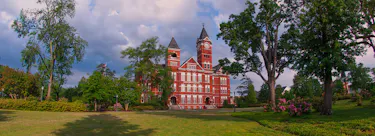
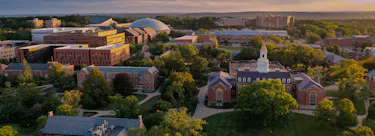
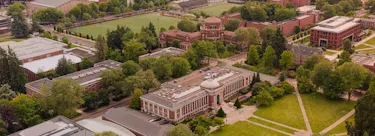
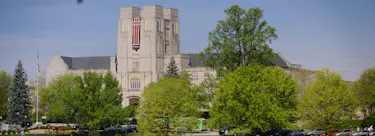
Soil Science study abroad programs
What are the top soil science undergraduate programs abroad?

Auburn UniversityCrop and Soil Sciences - BS
- 4 years
- Full-time
- On campus
- Degree type
- Bachelor's
- Subject area
- Agriculture , Soil Science
- Location
- Auburn, Alabama, USA
- Next available start date
- February 2027 +2 more
- Annual tuition fee
- 37,596USD

California State University, Monterey BayAgricultural Plant & Soil Sciences - BSc
- 4 years
- Full-time
- On campus
- Degree type
- Bachelor's
- Subject area
- Plant Science , Soil Science
- Location
- Seaside, Oregon, USA
- Next available start date
- January 2027 +2 more
- Annual tuition fee
- 19,000USD

Colorado State UniversitySoil and Crop Sciences: Plant Biotechnology - BSc
- 4 years
- Full-time
- On campus
- Degree type
- Bachelor's
- Subject area
- Soil Science
- Location
- Fort Collins, Colorado, USA
- Next available start date
- January 2027 +2 more
- Annual tuition fee
- 36,113USD

Louisiana State UniversityPlant and Soil Systems: Agricultural Pest Management/Entomology - BSc
- 4 years
- Full-time
- On campus
- Degree type
- Bachelor's
- Subject area
- Entomology , Agricultural Production , Soil Science
- Location
- Baton Rouge, Louisiana, USA
- Next available start date
- January 2027 +2 more
- Annual tuition fee
- 29,562USD

Middle Tennessee State UniversityPlant and Soil Science - BSc
- 4 years
- Full-time
- On campus
- Degree type
- Bachelor's
- Subject area
- Soil Science
- Location
- Murfreesboro, Tennessee, USA
- Next available start date
- January 2027 +3 more
- Annual tuition fee
- 33,930USD
See all undergraduate degrees in soil science abroad
What are the top soil science postgraduate programs abroad?
Colorado State UniversitySoil and Crop Sciences - MSc
- 18 months
- Full-time
- On campus
- Degree type
- Master's
- Subject area
- Soil Science
- Location
- Fort Collins, Colorado, USA
- Next available start date
- January 2027 +2 more
- Annual tuition fee
- 32,058USD

University of SaskatchewanSoil Science - MSc
- 2 years
- Full-time
- On campus
- Degree type
- Master's
- Subject area
- Soil Science
- Location
- Saskatoon, Saskatchewan, Canada
- Next available start date
- September 2027
- Annual tuition fee
- 11,097CAD
Colorado State UniversitySoil and Crop Sciences - PhD
- 3 years
- Full-time
- On campus
- Degree type
- Doctorate
- Subject area
- Soil Science
- Location
- Fort Collins, Colorado, USA
- Next available start date
- January 2027 +2 more
- Annual tuition fee
- 31,566USD
See all postgraduate degrees in soil science abroad
Future soil science careers
Your knowledge and expertise as a soil science graduate will make you an attractive candidate for a range of important roles. Here of some of the positions you could aim for after study abroad:
- Soil scientist
- Agricultural consultant
- Soil conservationist
- Research scientist
- Biotechnologist
- Environmental consultant
- Crop consultant
- Agronomist
Taking the opportunity to work on placement is a great way to find out what role would be best for you. If you need help finding work experience opportunities, speak to your university's careers advice team who will be able to point you in the right direction.