Find your perfect epidemiology programs abroad
Find epidemiology programs you love that match your needs and aspirations, where you stand a high chance of acceptance.
Epidemiology degrees abroad
Epidemiology is the scientific study of the causes and effects of disease in populations. Epidemiologists are responsible for tracking the frequency and distribution of disease on local, national, and international scales.
By studying epidemiology, you’ll learn how to monitor, analyze, and interpret surges in public health issues. As well as looking closely at how to control and eliminate contagious diseases, you’ll examine the patterns of other chronic illnesses, like heart disease, substance misuse, and diabetes.
Outbreaks of disease are often very geographically and culturally specific. Studying abroad allows you to investigate new samples of the global population and consider how the lifestyles and genetics of different demographic groups can affect the spread of illness.
Epidemiology program structure
Degrees in epidemiology usually only begin at the graduate level, but a handful of institutions do offer bachelor’s programs in the subject. These are studied on a full-time basis over three or four years.
It’s much more common for students to gain a bachelor’s degree in a related field - like biology, health science, medicine, or statistics - before pursuing a one or two-year master’s program in epidemiology. An MSc is normally the minimum educational requirement needed to become an epidemiologist.
If you plan on working as a researcher or teaching in post-secondary education, you’ll need to earn a PhD. Doctoral programs can last anywhere between three and seven years, and you’ll be challenged to carry out your own, original research.
Most epidemiology programs combine lectures, tutorials, and seminars with practical workshops, and laboratories. Assessment methods will be determined by the modules you take, but written examinations, assignments, online tests, research projects, and presentations are common.
Each university’s program includes a different mixture of elective and core modules. However, most degrees are designed to introduce students to these fundamental topics:
- Epidemiology in practice
- Clinical trials
- Infectious disease modeling
- Molecular and genetic epidemiology
- Biostatistics and data analysis
- Applied computer programming
- Public health
- Environmental health

Best universities to study epidemiology


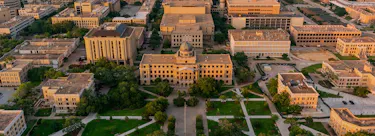


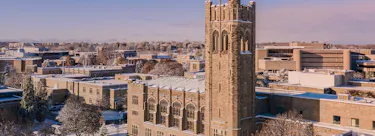

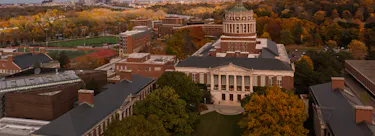
Epidemiology study abroad programs
What are the top epidemiology undergraduate programs abroad?

Hope CollegeGlobal Health: Epidemiology and Biostatistics - BA
- 4 years
- Full-time
- On campus
- Degree type
- Bachelor's
- Subject area
- Biostatistics , Epidemiology , Human Rights
- Location
- Holland, Michigan, USA
- Next available start date
- August 2027
- Annual tuition fee
- 43,960USD

Texas A&M UniversityPublic Health: Epidemiology - Integrated BS/MPH
- 4 years / 1 year
- Full-time
- On campus
- Degree type
- Bachelor's / Master's
- Subject area
- Epidemiology , Public Health
- Location
- College Station, Texas, USA
- Next available start date
- September 2027
- Annual tuition fee
- 39,771USD

University of RochesterEpidemiology - BA
- 4 years
- Full-time
- On campus
- Degree type
- Bachelor's
- Subject area
- Epidemiology
- Location
- Rochester, New York, USA
- Next available start date
- September 2027
- Annual tuition fee
- 71,750USD

Western UniversityEpidemiology & Biostatistics - BMedSc
- 4 years
- Full-time
- On campus
- Degree type
- Bachelor's
- Subject area
- Biostatistics , Epidemiology
- Location
- London, Ontario, Canada
- Next available start date
- September 2027
- Annual tuition fee
- 70,040CAD

Colorado State UniversityMedical Microbiology and Infectious Disease - BSc
- 4 years
- Full-time
- On campus
- Degree type
- Bachelor's
- Subject area
- Medical Microbiology , Infectious Disease
- Location
- Fort Collins, Colorado, USA
- Next available start date
- January 2027 +3 more
- Annual tuition fee
- 38,176USD
See all undergraduate degrees in epidemiology abroad
What are the top epidemiology postgraduate programs abroad?
Colorado State UniversityEnvironmental Health : Epidemiology - MSc
- 2 years
- Full-time
- On campus
- Degree type
- Master's
- Subject area
- Environmental Health , Epidemiology
- Location
- Fort Collins, Colorado, USA
- Next available start date
- January 2027 +2 more
- Annual tuition fee
- 32,058USD

Monroe UniversityPublic Health: Biostatistics and Epidemiology - MPH
- 2 years
- Full-time
- Blended learning
- Degree type
- Master's
- Subject area
- Biostatistics , Epidemiology , Public Health
- Location
- New York City, New York, USA
- Next available start date
- January 2027 +3 more
- Annual tuition fee
- 18,852USD
Texas A&M UniversityPublic Health: Epidemiology - Integrated BS/MPH
- 4 years / 1 year
- Full-time
- On campus
- Degree type
- Bachelor's / Master's
- Subject area
- Epidemiology , Public Health
- Location
- College Station, Texas, USA
- Next available start date
- September 2027
- Annual tuition fee
- 39,771USD

University of AntwerpEpidemiology - MSEpi
- 2 years
- Full-time
- On campus
- Degree type
- Master's
- Subject area
- Epidemiology
- Location
- Antwerp, Belgium
- Next available start date
- September 2027
- Annual tuition fee
- 5,800EUR

University of LouisvilleEpidemiology - MSc
- 1 year
- Full-time
- On campus
- Degree type
- Master's
- Subject area
- Epidemiology
- Location
- Louisville, Kentucky, USA
- Next available start date
- January 2027 +2 more
- Annual tuition fee
- 31,108USD
See all postgraduate degrees in epidemiology abroad
Future epidemiology careers
In the wake of the Covid-19 pandemic, and with cases of heart disease, diabetes, and dementia on the rise, the global need for epidemiology graduates has never been greater.
Your statistical, logical, and analytical skills will be highly sought after across public and private health organizations, research laboratories, universities, government agencies, and pharmaceutical companies.
Here are some of the career paths open to you:
- Academic research epidemiologist
- Infection control epidemiologist
- Study coordinator
- Public policy specialist
- Statistician
- Community health educator
- Veterinary epidemiologist
- Pharmaceutical epidemiologist
Gathering some work experience in clinical environments, research settings, or pharmaceutical businesses will make your resume stand out. Most universities have a careers office that can help you find and apply for these valuable opportunities.