
Hungary is part of the European Higher Education Area, so degrees usually follow a Bologna-style structure with a clear Bachelor–Master–Doctorate pathway and ECTS credits. Teaching often combines lectures with smaller seminars, labs, and assessed projects, depending on the subject. After graduation, many students move into work, professional training, or further study, with outcomes influenced by field, language skills, and where you study and work.
How degrees are structured
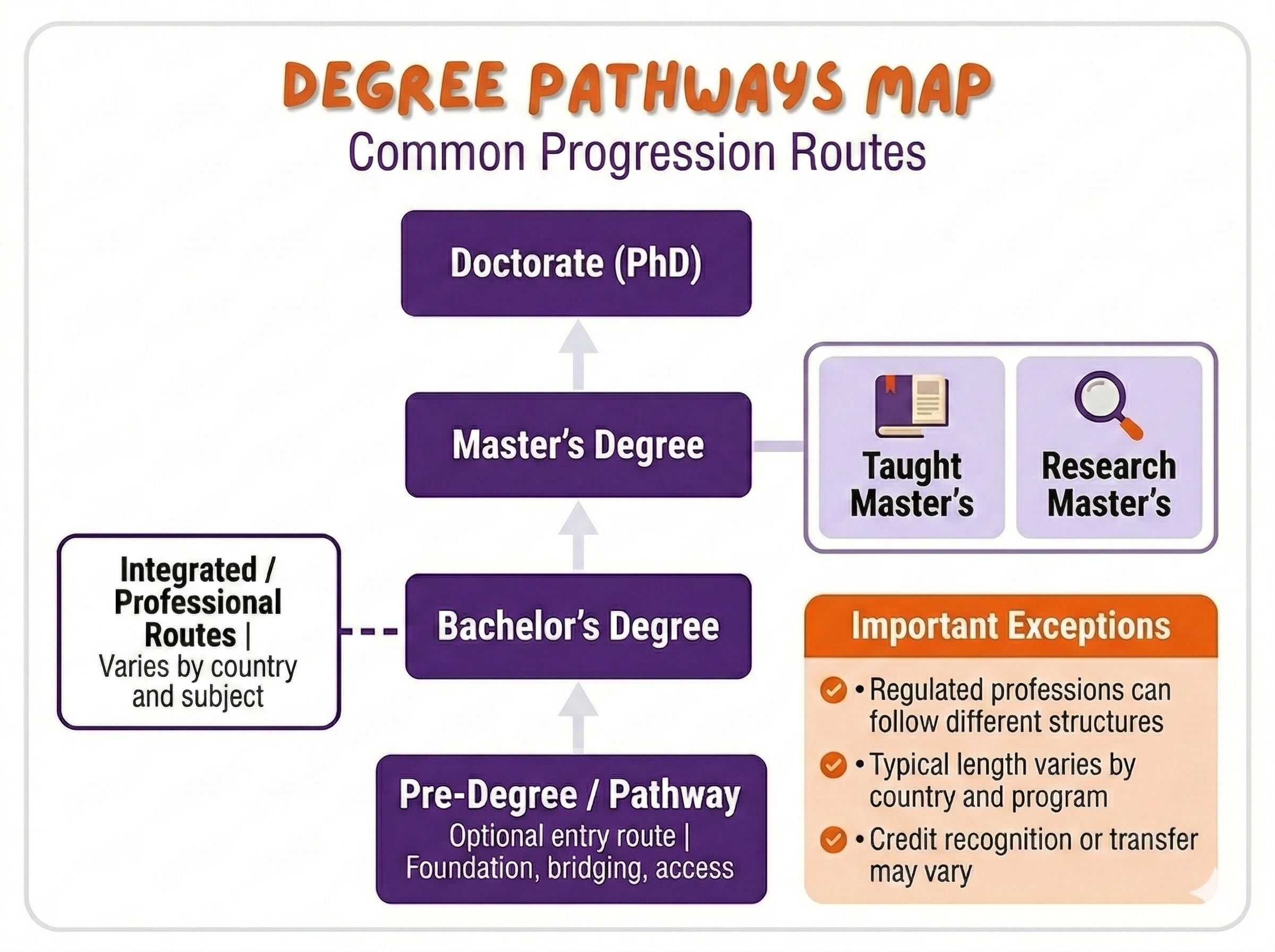
Hungarian higher education uses a multi-cycle degree framework and an ECTS-compatible credit system, which helps with transparency and recognition across Europe. Most programs are modular, with each course carrying credits that add up to the degree. The balance of lectures, seminars, practical classes, and exams varies by subject and institution.
Common degree levels and usual lengths
- Short-cycle higher education vocational training exists and is typically 4 terms
- Bachelor degrees are often 6–8 semesters
- Master degrees are often up to 4 semesters, with some shorter formats in certain fields
- Doctoral programs form the third cycle
Credits and workload
- Degrees are structured around ECTS credits, with credit totals linked to the length and learning outcomes of the program
- Many programs use a semester-based structure with assessed modules
Teaching and assessment model
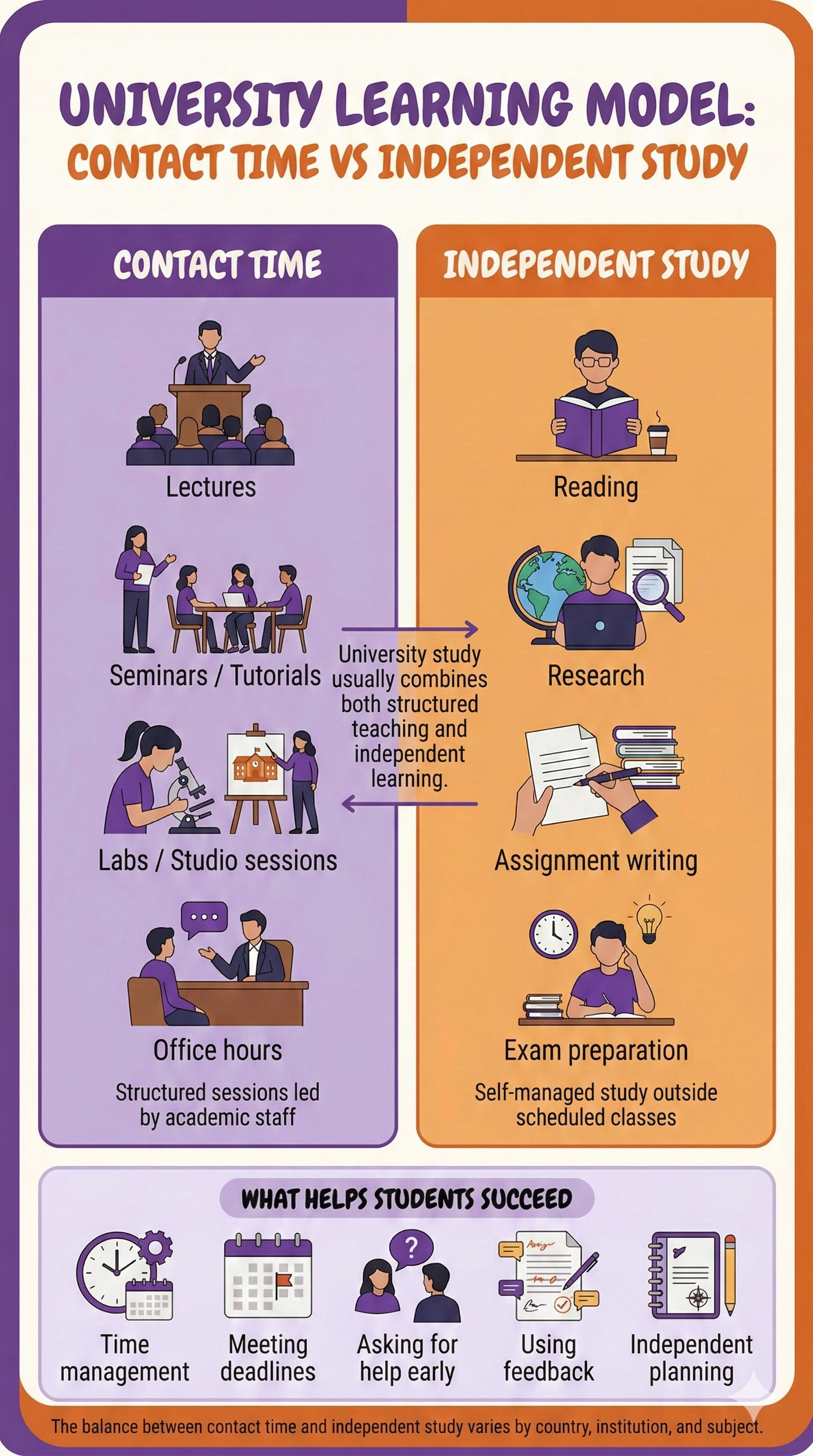
- Common formats include lectures, seminars, labs, workshops, and project work
- Assessment can include written exams, coursework, presentations, practical tasks, and thesis-style projects at later stages
Flexibility and progression
- Progression is typically credit-based, with rules on required core modules and elective choices depending on the program
- Credit transfer can be possible, but practices vary by institution and program design
Major exceptions
- Some fields use long, one-tier programs where students study continuously and graduate with a Master-level qualification
- These are common in regulated or profession-linked areas such as medicine, dentistry, pharmacy, veterinary medicine, architecture, law, some arts, and some teacher training routes
❗ Not every course follows Bachelor → Master. In Hungary, some regulated fields run as long, one-tier programs that lead directly to a Master-level qualification, common in medicine and other profession-linked subjects, so students should check the degree format before comparing “duration” with other countries.
Academic strengths & popular study fields
Hungary has a broad higher education sector, including universities, universities of applied sciences, and colleges, with different profiles and missions. It has a strong tradition in research-led study as well as professionally oriented training, including options that connect learning with practice. Strengths can differ by city, institution type, and local industry links.
Well-known fields and sector links
- Health and life sciences, including medicine-related disciplines
- Engineering, applied sciences, and technology-focused study in many institutions
- Business and economics-related programs, often connected to real-world case learning
- Architecture and built-environment fields in long-format programs
Applied and practice-connected study
- Profession-focused routes exist in multiple fields, including dual training models in some areas
- Practical components can be more common in applied-science institutions and certain professionally regulated subjects
Where strengths vary
- Opportunities and industry connections can be stronger in larger cities and regional hubs
- Some programs are more research-led, while others are more practice-oriented depending on institution type
Student life & learning style
Student life in Hungary depends a lot on the city, the type of institution, and whether students live on campus, in rented housing, or commute. Learning typically expects students to manage deadlines, track course requirements, and build independent study habits. Many programs include a mix of scheduled teaching time and self-study.
Classroom culture and expectations
- Students are usually expected to be independent and organized with reading, assignments, and exam preparation
- Participation styles vary, but seminars may expect discussion and questions
Contact hours and self-study
- Many courses combine taught sessions with significant independent study time
- Workload intensity can change across the semester, often peaking around assessments
Group work and feedback
- Group projects are common in many subjects, especially practical and applied areas
- Feedback may come through grades, written comments, and meetings with teaching staff, depending on the course
Campus and daily life patterns
- Some students experience a campus-based routine, while others have a more city-based, commuter lifestyle
- Housing options and daily costs vary strongly by location and accommodation type
What happens after graduation
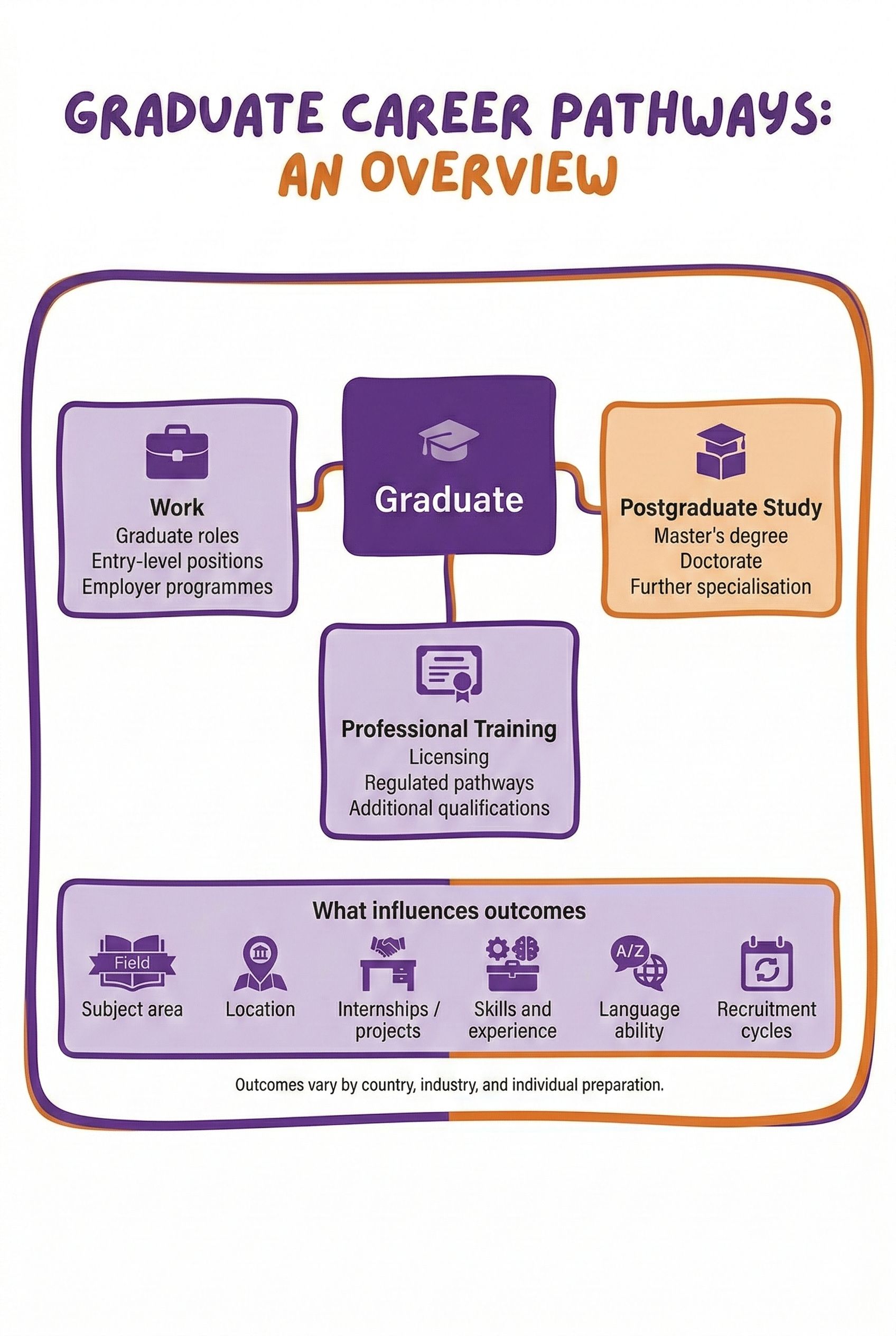
After graduating, students commonly move into work, postgraduate study, or profession-linked training, depending on the field. Graduate outcomes are shaped by subject area, practical experience, language skills, and local labor market conditions. Hungary also has national-level education and labor market statistics that help track trends over time.
Common next steps
- Entering the workforce in Hungary or internationally, depending on opportunities and personal plans
- Continuing to a Master degree after a Bachelor degree, or progressing into doctoral study for research-focused paths
- Profession-linked training routes in regulated areas, where relevant
How employability tends to work
- Hiring often values field-relevant skills, internships or practical experience, and clear communication
- Employers may consider grades, project work, and evidence of applied skills, especially in competitive fields
- University careers support can exist, but student initiative usually matters a lot in finding opportunities
Variation note
- Outcomes can vary widely by subject area, region, and local demand, so two graduates with similar degrees can have different pathways
❗ Outcomes depend heavily on language and experience. In many fields, internships, applied project work, and local language ability can strongly affect job options, so students should plan early for experience-building alongside their studies.
Costs & funding overview
Costs in Hungary are usually made up of several categories, and total spending depends heavily on lifestyle and location. Families often plan around tuition or study fees, housing, day-to-day living expenses, and course-related costs. Funding options exist, but availability and eligibility vary by student status and provider.
Main cost categories
- Tuition or study fees where applicable
- Housing and utilities
- Food, transport, and personal living expenses
- Study materials and course-related costs
- Health cover or insurance where typical for a student’s circumstances
What makes costs higher or lower
- City and neighborhood choice, especially housing markets
- Living style and accommodation type, including sharing vs private rental
- Travel patterns, social spending, and personal budget choices
- Program needs, such as specialist equipment, studios, or lab-related materials
How study is commonly funded
- Family funding is common for international students
- Scholarships and bursaries exist in some cases
- Loans may be available for eligible groups, depending on status and local rules
❗ Budgeting varies more by city and housing than families expect. Two students on the same program can have very different total costs depending on rent, sharing vs private housing, and day-to-day spending, so families should budget for the specific city and housing plan.
Typical costs
These figures are best used as high-level planning ranges. Exact costs vary by provider, city, course, and student status.
Typical cost of a degree
Tuition fees in Hungary vary by university and study program. Study in Hungary presents these as starting figures rather than one single national average, with starting tuition levels of around €1,200 per semester for bachelor’s programs, €1,500 per semester for master’s programs, and €2,500 per semester for doctoral programs. For the most accurate estimate, students should check the specific program and institution.
Typical cost of living
Living costs vary by city and lifestyle, so there is not one single national figure that fits every student. For a more tailored estimate, students can use the Study in Hungary cost-of-living calculator, which is designed for foreign students and allows costs to be checked in different Hungarian cities.
Scholarships
Scholarships for international students are available in Hungary, but they are not the main source of funding for most students. Study in Hungary highlights several routes, including Stipendium Hungaricum, the Hungarian Diaspora Scholarship, Bilateral State Scholarships, Erasmus+, CEEPUS, and EEA Grants Scholarships. For more information, see the Study in Hungary scholarships page.
Who is this country a good fit for?
Hungary can suit students who want a European-style degree structure with credit-based progression and a mix of academic and applied learning options. It often works well for students who can manage independence, plan their time, and adapt to different teaching styles across modules. Fit also depends on lifestyle preferences, language environment, and comfort living in a Central European setting.
Students who often thrive
- Self-managed learners who can keep up with reading, deadlines, and exam planning
- Students who like a structured degree pathway with clear stages
- Students comfortable working across different course formats, from lectures to seminars and projects
Fit by academic interests
- Students interested in health-related long-format professional degrees
- Students looking for engineering, technology, business, or other structured academic routes
- Students who like European credit-based study that can support mobility across systems
Fit by lifestyle preferences
- Students who enjoy city-based living and exploring culture, history, and travel within Europe
- Students who prefer a more independent routine rather than highly guided daily schedules
May feel challenging if
- You prefer very frequent teacher reminders and close day-to-day monitoring
- You find it hard to stay organized across multiple modules and assessment deadlines at the same time
What may feel different in Hungary’s higher education system
Studying in Hungary can feel self-directed, with students expected to manage course requirements, seek help when needed, and plan carefully for assessment periods. Teaching may feel more lecture-based in some courses, while seminars, labs, and projects are used for deeper discussion and applied work.
Teaching style
- Teaching often includes lectures, seminars, labs, workshops, practical classes, or project work, depending on the subject
- Some courses may feel more lecture-led, while seminars are often used for discussion, questions, and closer academic work
- Students are usually expected to manage reading, preparation, and academic questions independently between taught sessions
Assessment style
- Assessment commonly includes written exams, coursework, presentations, practical tasks, projects, and thesis-style work at later stages
- Workload intensity can change across the semester, with assessment pressure often increasing around exam periods
- Some programs may place strong weight on key exams or final assessments, depending on the subject and institution
Independence level
- Students are expected to track program rules, credits, module requirements, and deadlines carefully
- Support may be available through teaching staff, administration, or student services, but students usually need to ask for help directly
- Students may need to plan ahead for exam periods, housing, health cover, budgeting, and daily routines
Campus culture
- Student life can vary between campus-based routines, city-based study, and commuter patterns depending on the institution and location
- Students may build community through classes, student groups, shared housing, cultural activities, and city life
- Daily experience can differ strongly by city, accommodation type, commute, and language environment
❗ Assessment pressure can build around key points in the semester. In Hungary, students who track credits, deadlines, and exam periods early are usually better prepared.
Hungary Student visa overview
Many international students from outside the EU/EEA who study a full degree in Hungary need a residence permit for the purpose of study. Depending on nationality and where the student applies from, they may also need a Type D visa to enter Hungary before collecting or completing residence permit arrangements.
For most degree students, the key dependency is acceptance by a registered Hungarian higher education institution. Students usually need proof of admission or enrollment and evidence that they meet requirements linked to identity, funding, accommodation, health insurance, and study purpose before the visa or residence permit process can move forward.
Main visa points
| Visa point | What students should know |
|---|---|
| Visa type | Residence permit for the purpose of study; some students may also need a Type D visa before travel |
| Main dependency | The student usually needs acceptance or enrollment from a registered Hungarian higher education institution |
| Typical application timing | Students should usually begin visa or residence permit planning after admission and well before travel, because appointment and processing times can vary |
| Typical decision time | Processing times vary by consulate, season, application completeness, and whether extra checks are needed |
| Interview | Many students should expect an appointment or interview as part of the visa or residence permit process |
| Extra requirements | Students may need to show they meet identity, financial, accommodation, health insurance, academic, and residence-permit requirements |
Why this matters
The Hungary visa and residence permit timeline is closely connected to the admissions and arrival timeline. A student may have an offer, but they usually still need the correct admission documents, proof of funding, accommodation evidence, health insurance, an appointment or interview where required, and a decision before they are ready to travel or begin study.
❗ A Hungarian offer does not automatically mean a student is ready to travel. Residence permit requirements, Type D visa needs, appointment timing, financial evidence, health insurance, accommodation proof, and travel planning all need to fit around the course start date.